
Department of Computer Science and Engineering (Artificial Intelligence & Machine Learning)
The Department of Computer Science and Engineering (Artificial Intelligence & Machine Learning) at Vardhaman College of Engineering follows well-defined academic regulations that ensure academic rigor, transparency, and alignment with institutional policies, affiliating university guidelines, AICTE norms, and NBA accreditation requirements. These regulations define the academic framework covering curriculum structure, credit distribution, assessment methods, grading system, attendance requirements, and progression criteria. The regulations also support Outcome-Based Education (OBE), ensuring that all academic processes are aligned with Program Outcomes (POs), Program Specific Outcomes (PSOs), and Course Outcomes (COs), preparing students to meet the evolving demands of Artificial Intelligence and Machine Learning fields.
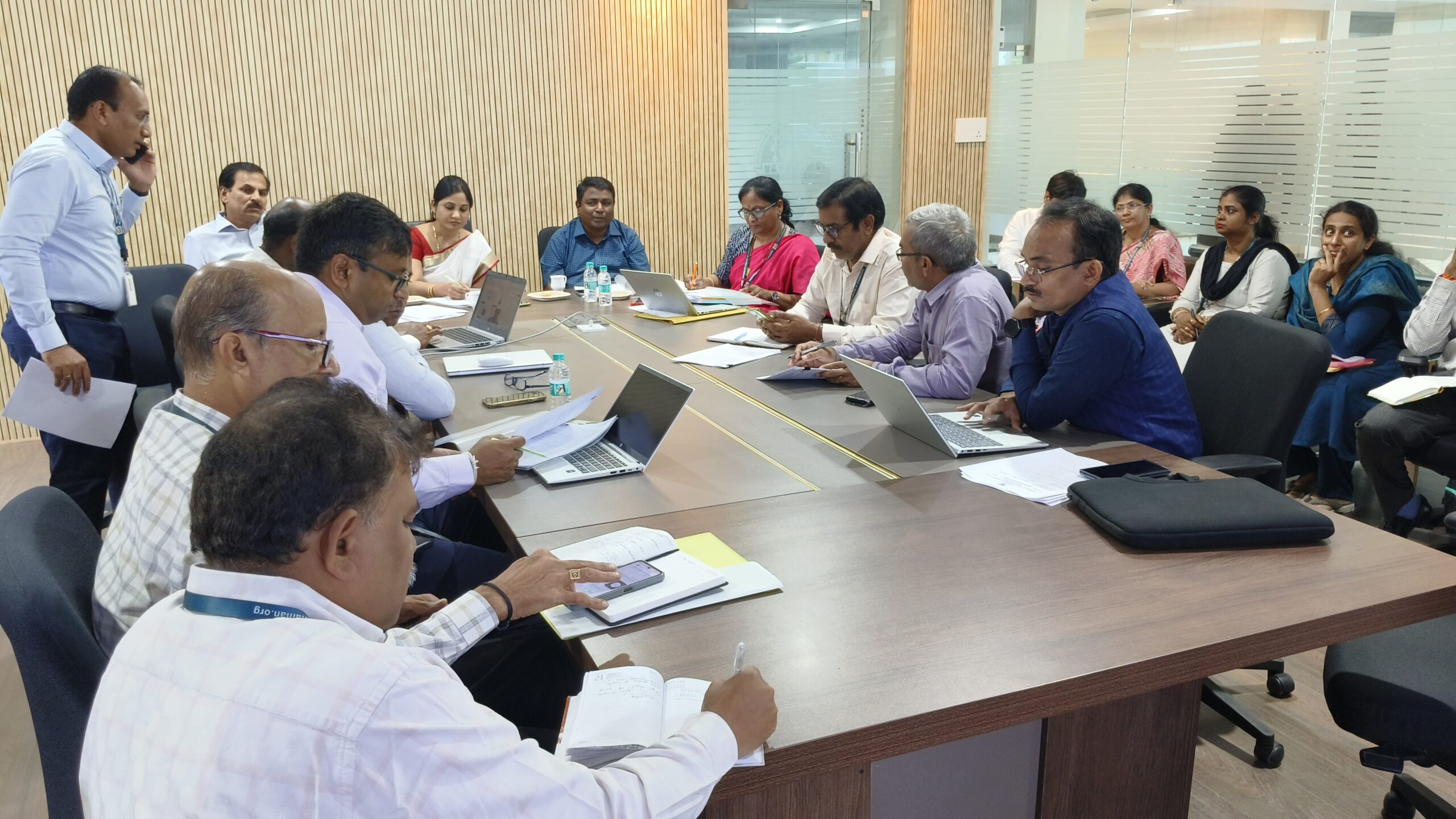
The B.Tech program in Computer Science and Engineering (Artificial Intelligence & Machine Learning) is designed to provide a strong foundation in computing principles along with specialized knowledge in Artificial Intelligence, Machine Learning, Data Science, and related emerging technologies. The curriculum integrates theoretical concepts with practical skills to prepare graduates for careers in intelligent systems, data-driven applications, automation, and advanced computing domains. It is structured under the Choice-Based Credit System (CBCS), offering flexibility for students to select courses based on their academic interests and career aspirations.
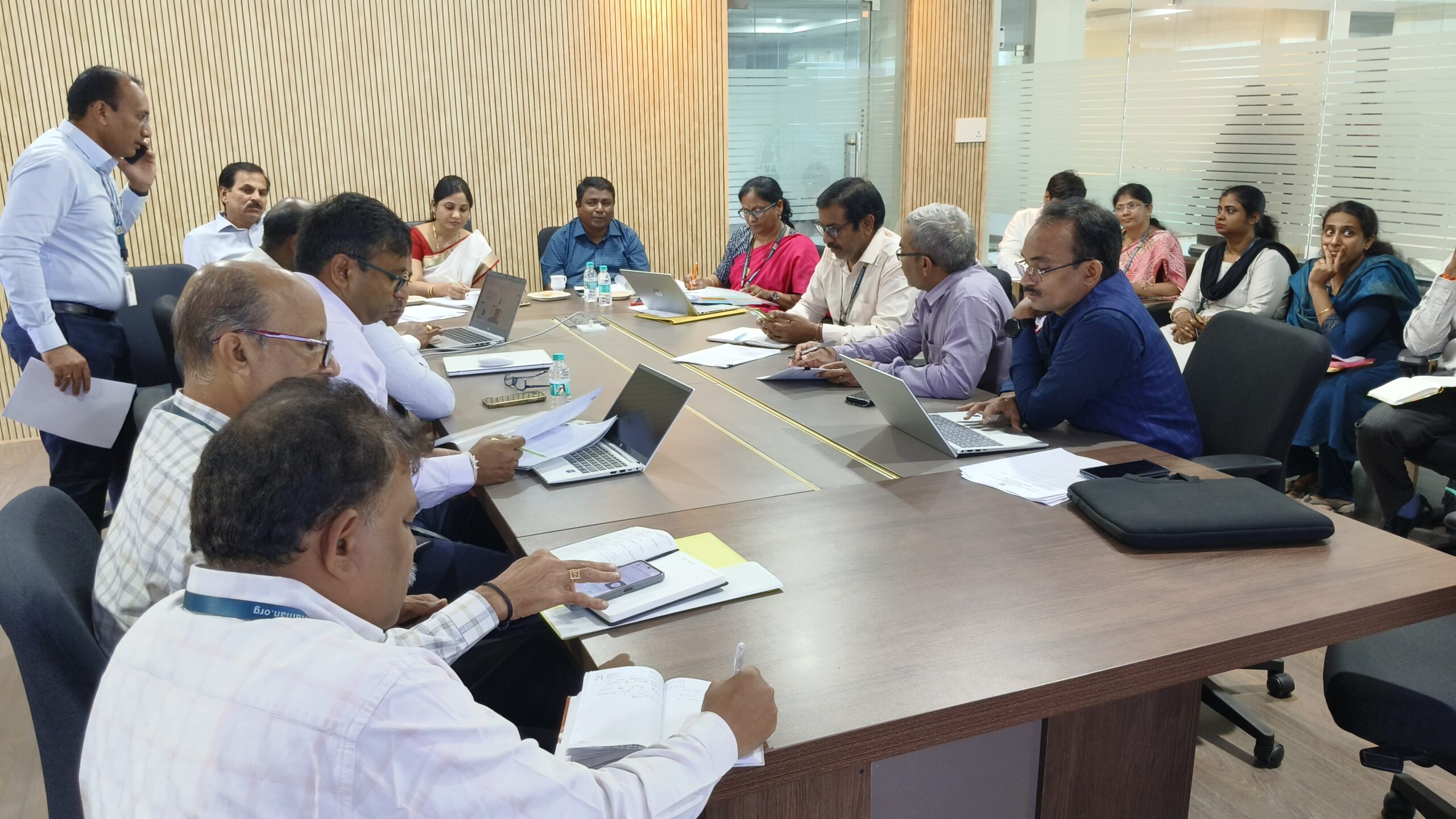
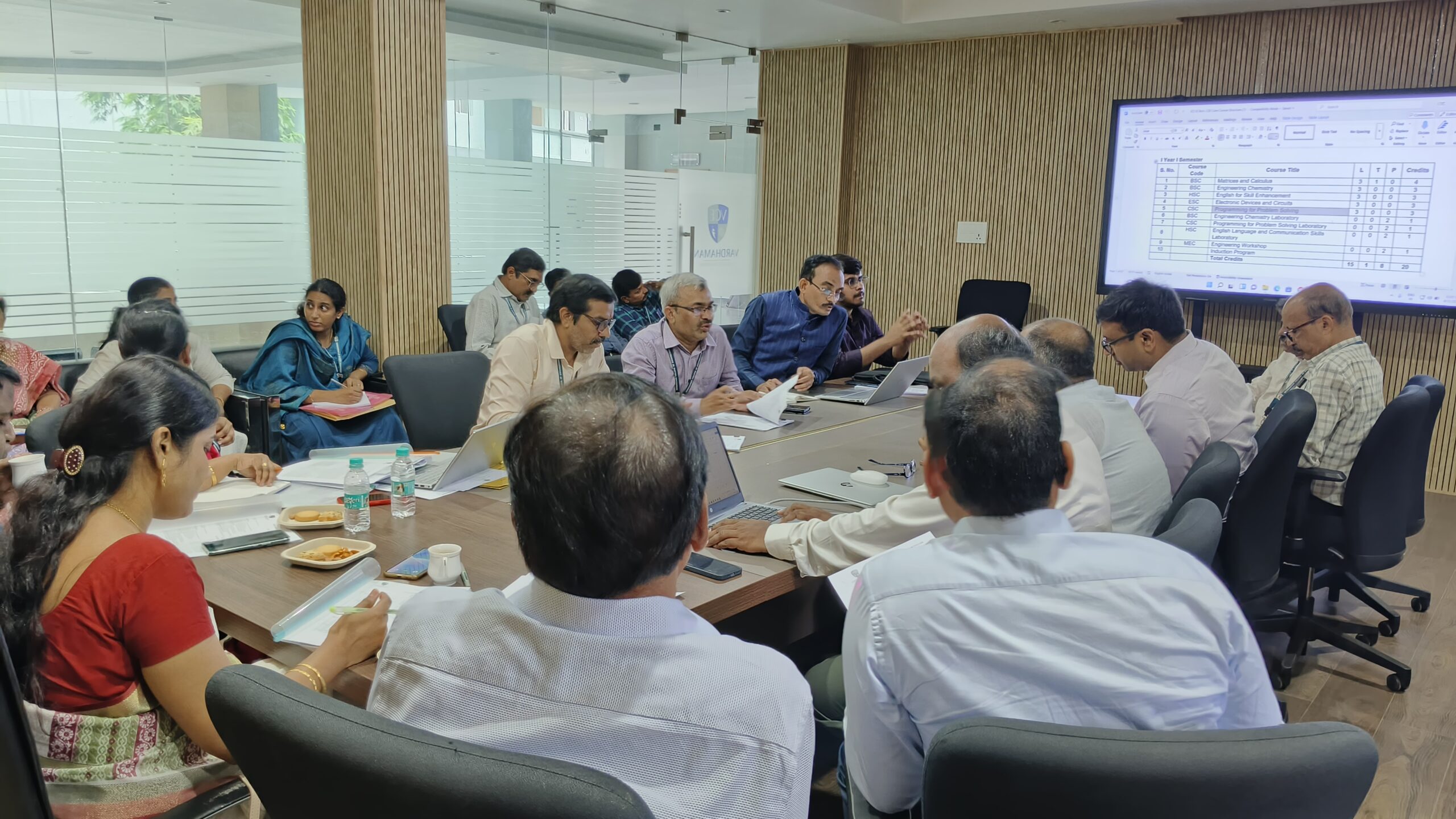
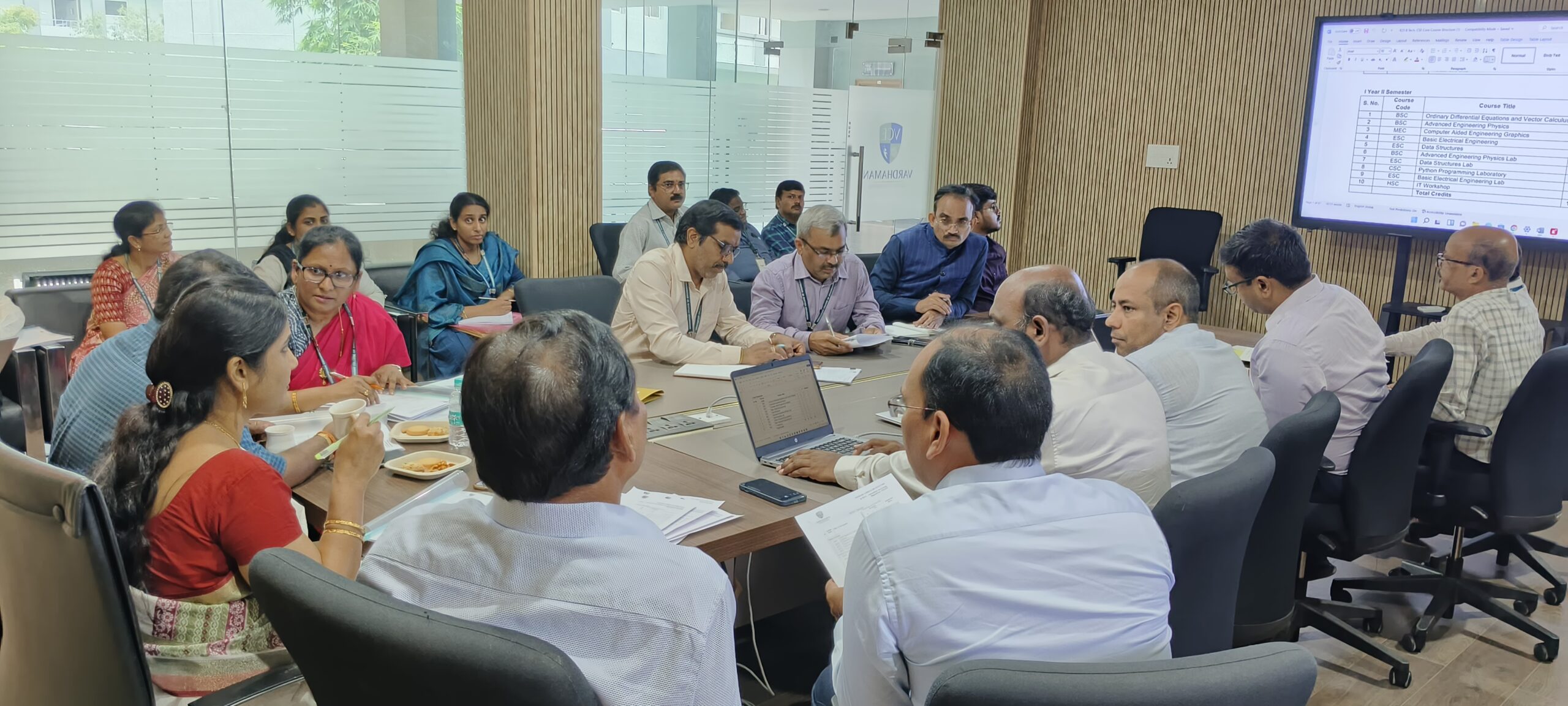
The curriculum development and revision process involves inputs from industry experts, alumni, employers, faculty, and students to ensure relevance to current technological trends and industry needs. Emphasis is placed on experiential and outcome-based learning through laboratory courses, mini-projects, internships, and major projects that help students apply theoretical knowledge to real-world problems. The program also encourages interdisciplinary learning and supports credit transfer through MOOCs such as NPTEL, along with the implementation of Academic Bank of Credits (ABC) and APAAR ID systems. Continuous evaluation through outcome attainment analysis and stakeholder feedback enables periodic curriculum updates, ensuring alignment with technological advancements, industry expectations, and accreditation standards while preparing students to become competent and innovative AI and ML professionals.
The Minor and Honors programs offered by the Department of Computer Science and Engineering (Artificial Intelligence & Machine Learning) provide opportunities for academically motivated students to enhance their knowledge beyond the regular curriculum and develop specialized expertise in emerging computing technologies. These programs support interdisciplinary learning, advanced technical knowledge, and research orientation, enabling students to achieve academic excellence and improve their professional competitiveness.
The Minor program allows students to pursue additional courses in interdisciplinary domains such as Data Science, Cyber Security, Internet of Things (IoT), and Cloud Computing. This helps students broaden their academic exposure, develop multidisciplinary skills, and enhance their employability across diverse technology sectors. The program encourages analytical thinking, adaptability, and cross-domain problem-solving abilities required in modern computing environments.
The Honors program is designed for high-performing students who wish to gain deeper expertise in core areas of Artificial Intelligence and Machine Learning. It includes advanced coursework, research-oriented learning, and specialized subjects that strengthen students’ analytical, design, and innovation capabilities. Students in the Honors program are encouraged to undertake advanced projects, research activities, and explore emerging AI technologies, fostering creativity, innovation, and technical leadership.
The Community Innovation and Transformation (CIT) courses offered by the Department of Computer Science and Engineering (Artificial Intelligence & Machine Learning) are designed to connect technical education with real-world societal needs. These courses encourage students to apply their knowledge in Artificial Intelligence, Machine Learning, Data Science, and software technologies to develop solutions for community-based challenges. The initiative promotes experiential learning, social responsibility, and sustainable technological development in line with Outcome-Based Education.
Through CIT courses, students identify real-life problems in areas such as smart healthcare, agriculture, education, environmental monitoring, accessibility, and digital services, and develop innovative technology-driven solutions under faculty guidance. The courses emphasize project-based and collaborative learning, enabling students to engage in problem identification, system design, development, testing, and implementation.
These experiences help students understand the social and ethical impact of computing technologies while strengthening skills in teamwork, communication, innovation, and problem solving. By integrating academic knowledge with community engagement, CIT courses contribute to developing socially responsible, innovative, and industry-ready AI and ML professionals.