
Department of Computer Science and Engineering (Artificial Intelligence & Machine Learning)
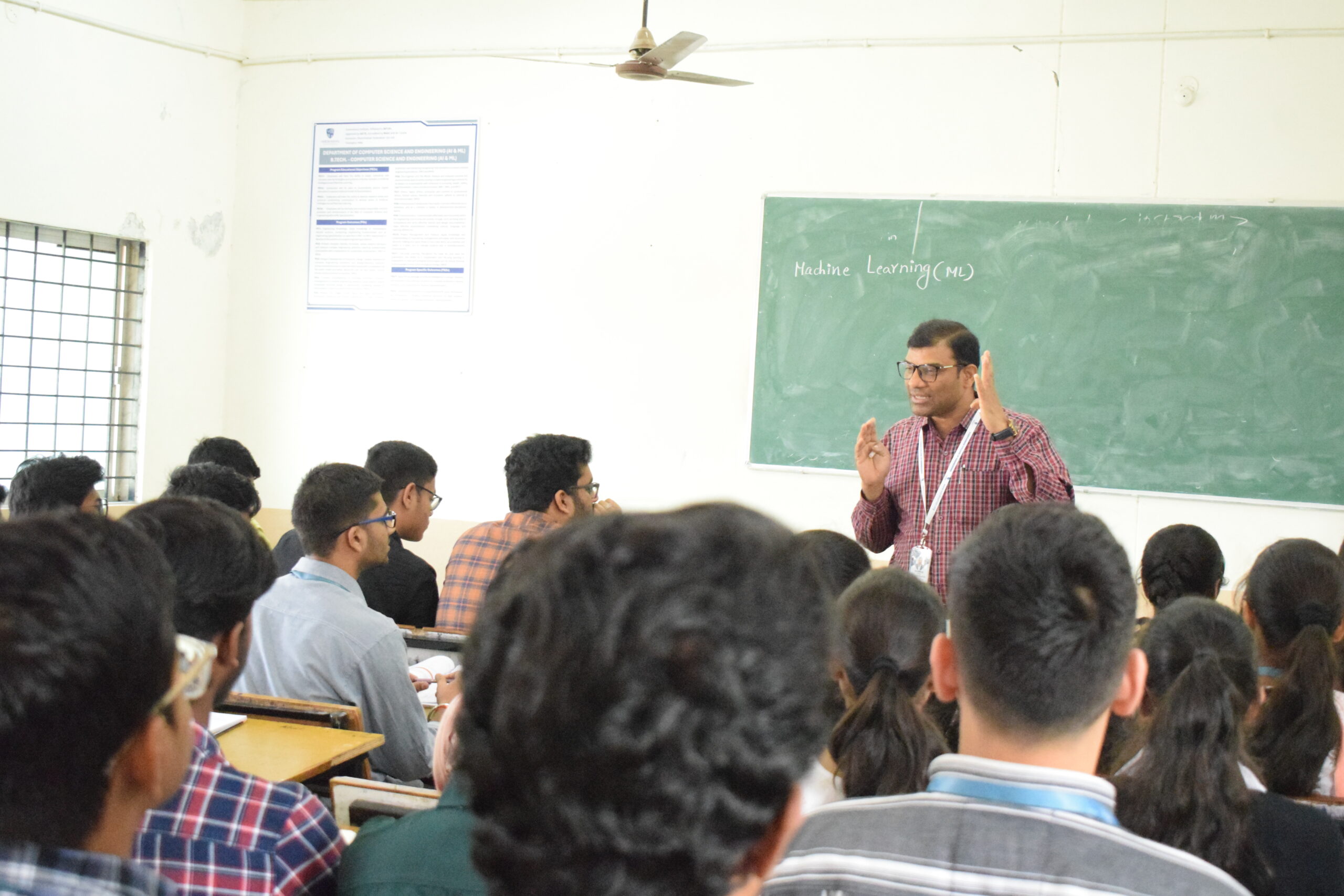
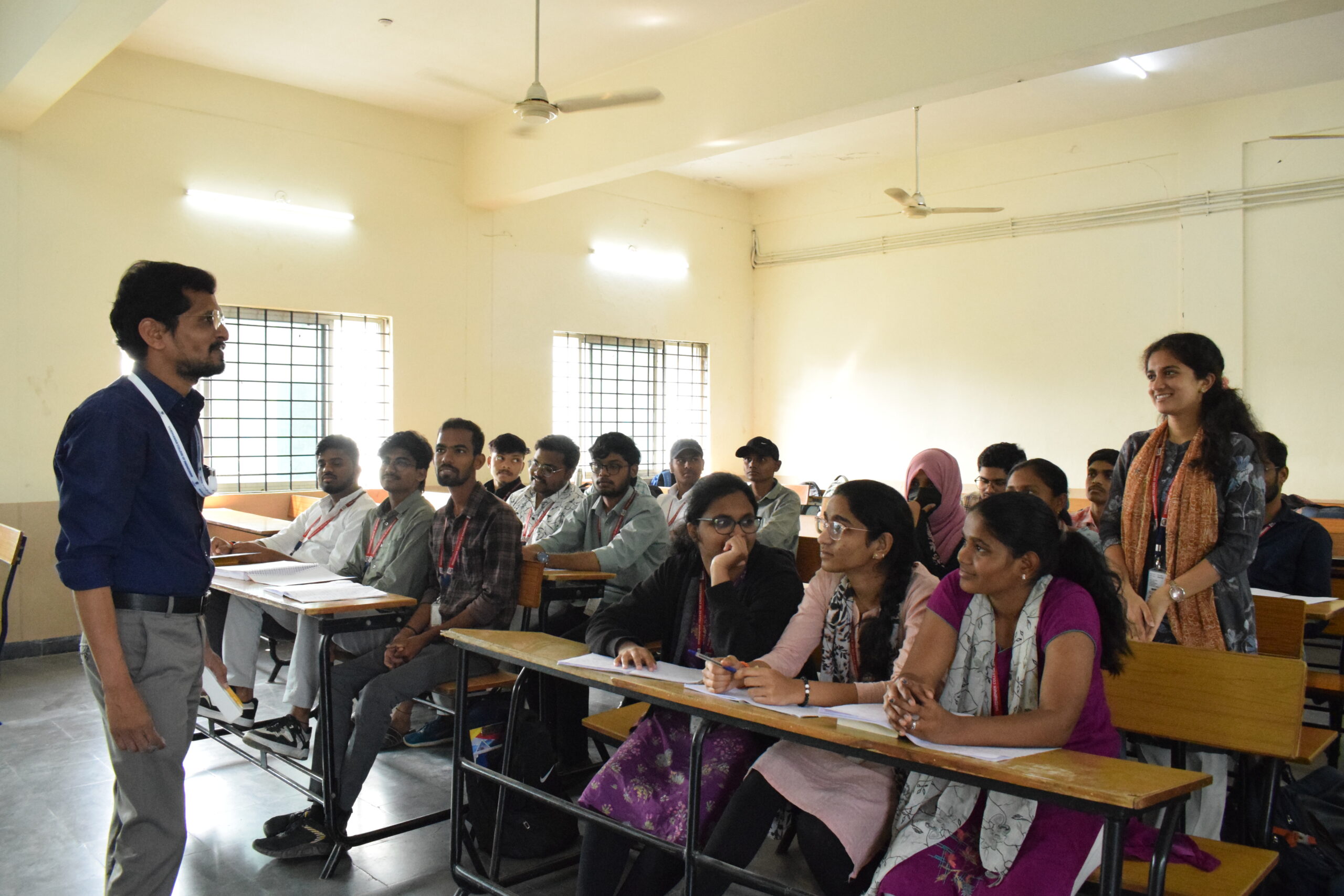
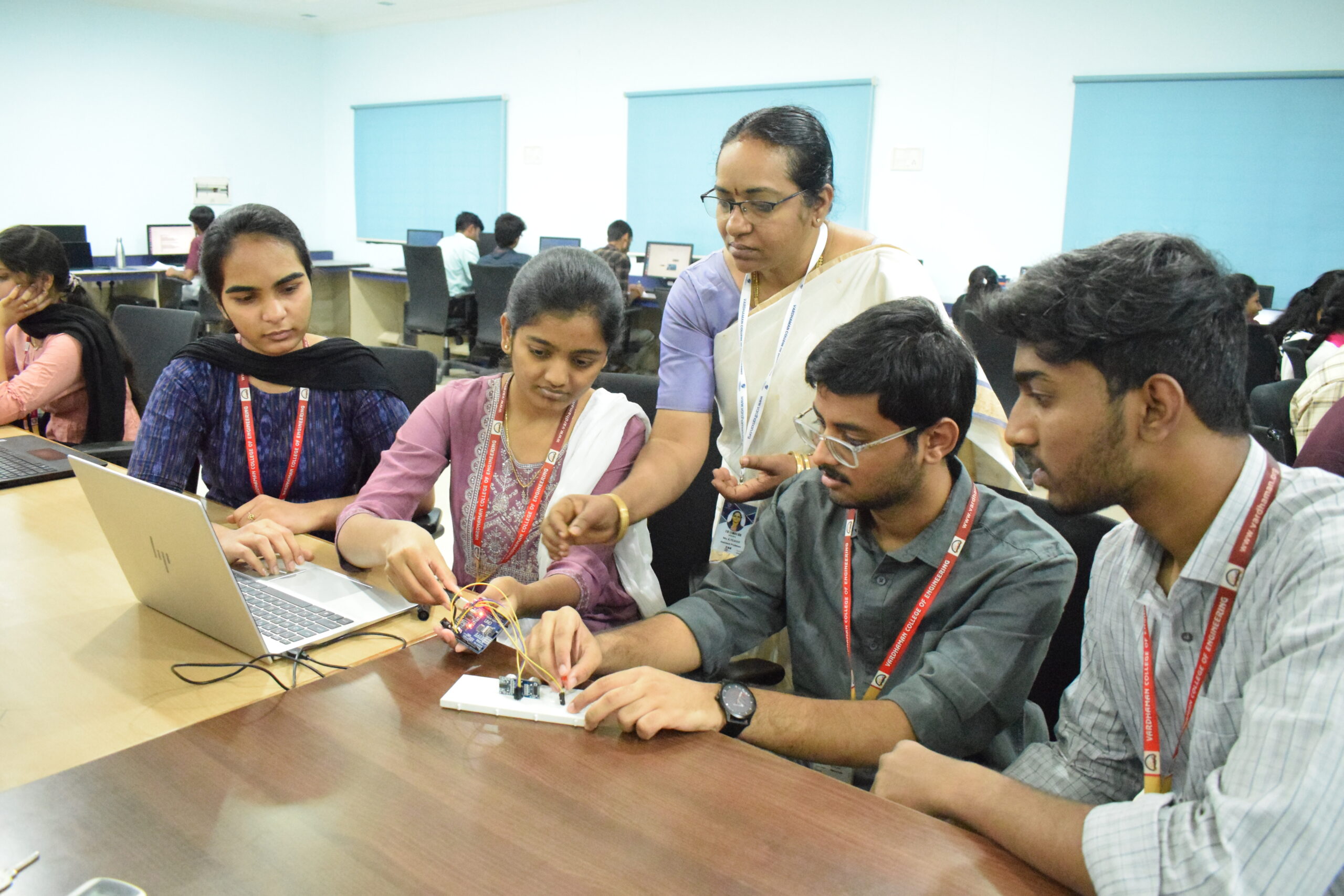
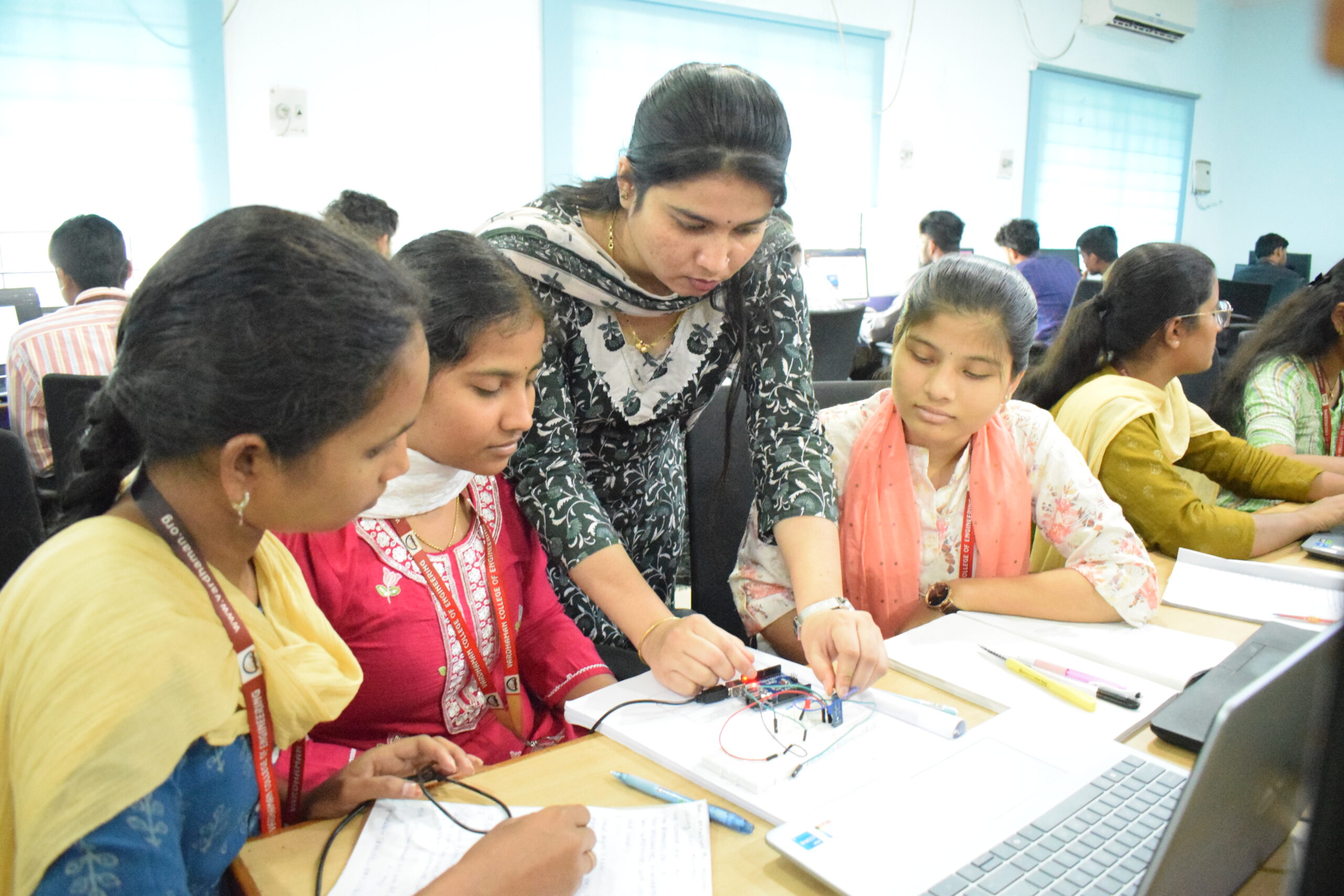
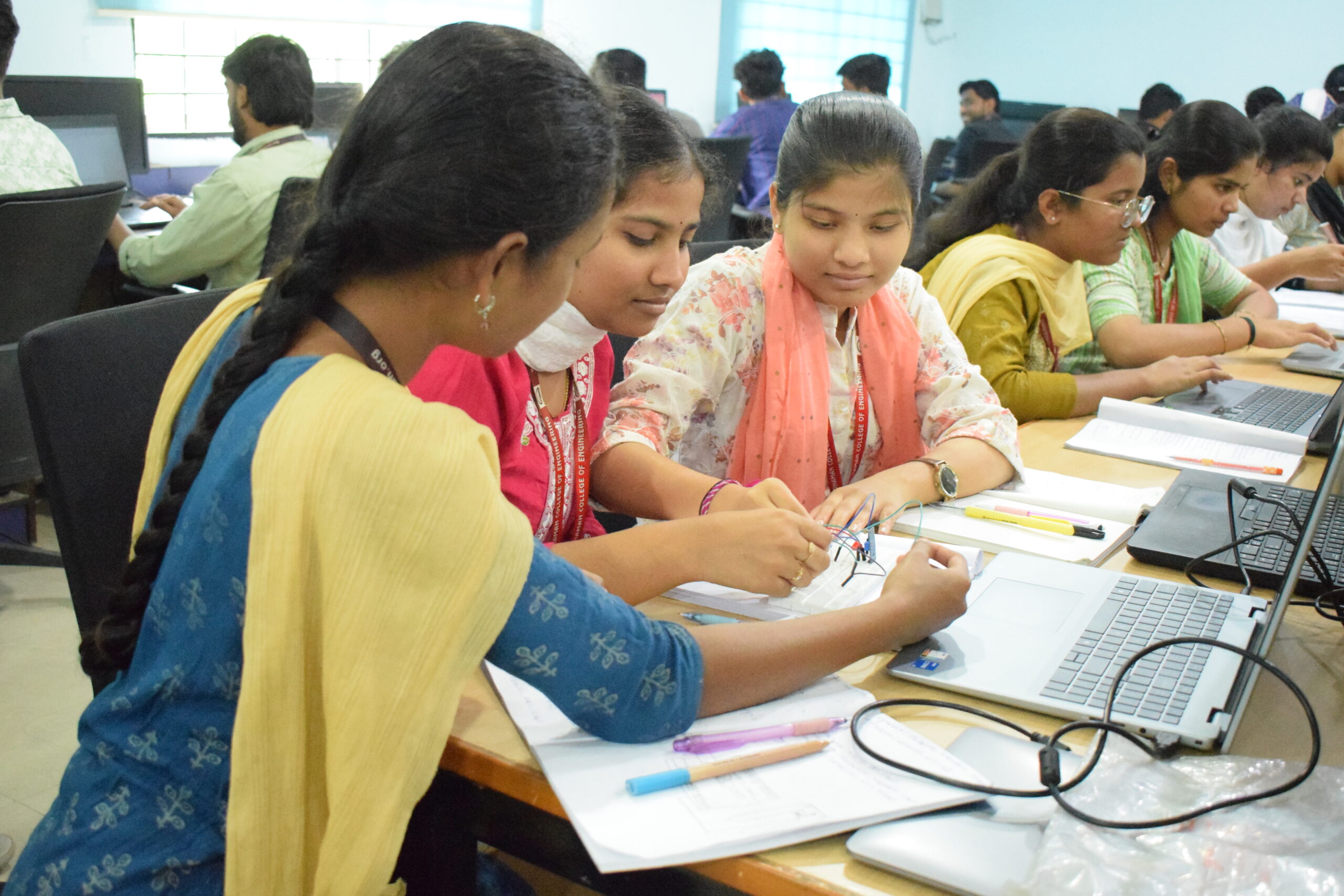
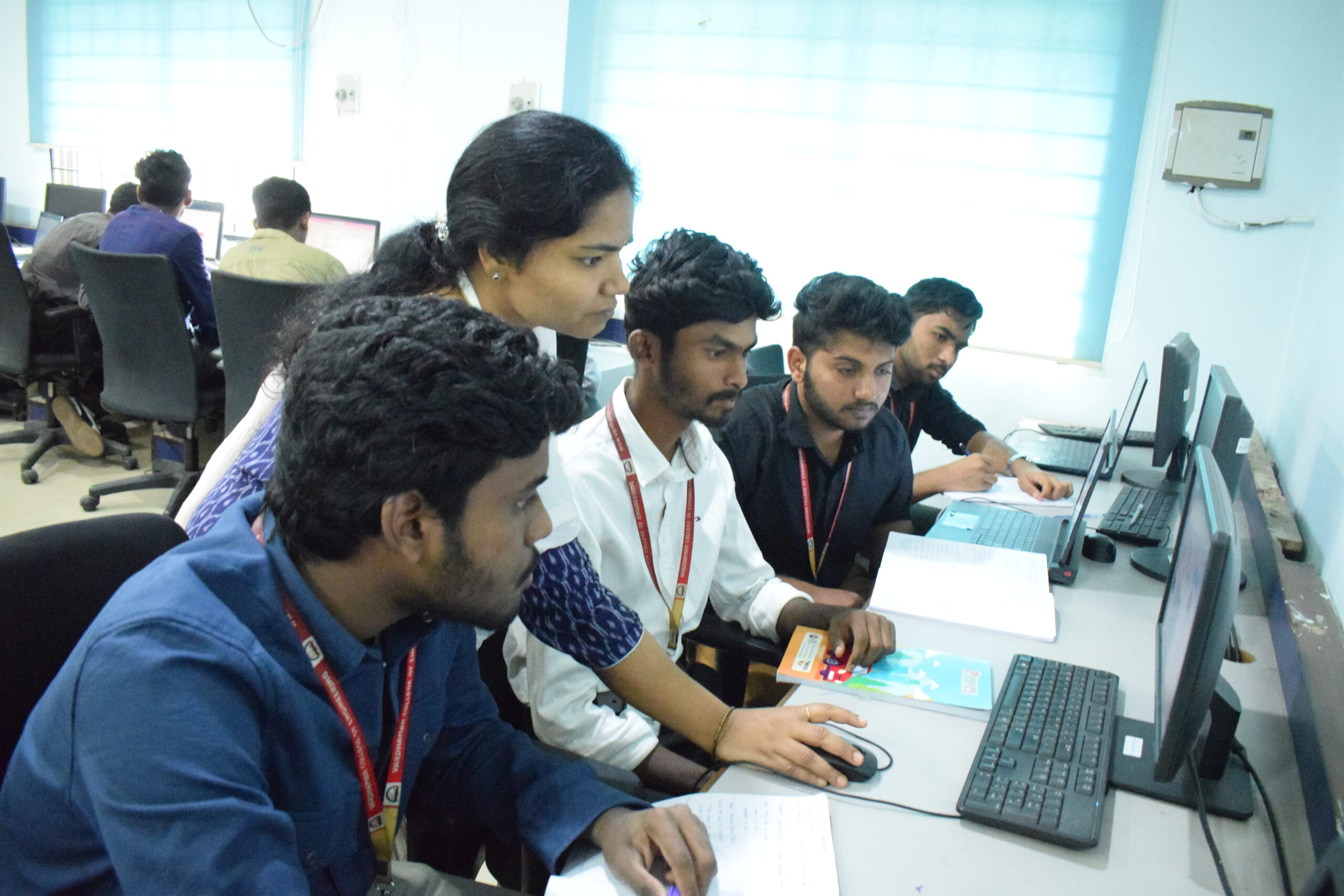
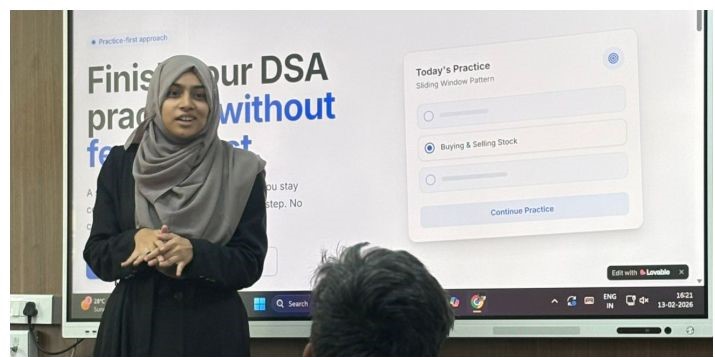
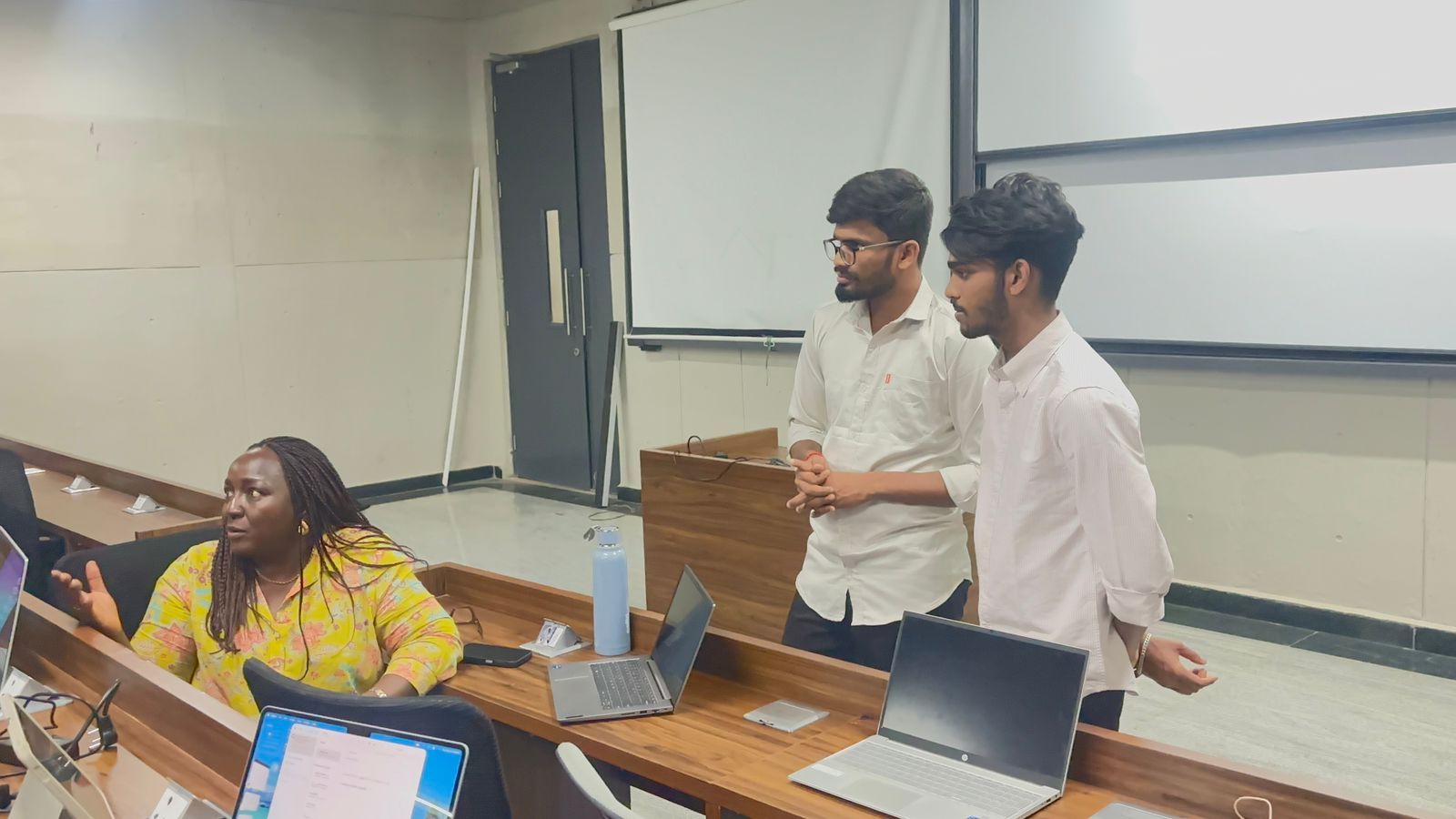
The CSE (Artificial Intelligence & Machine Learning) department adopts a student-centered learning approach that places students at the core of the educational process, encouraging active participation, critical thinking, and independent learning. Faculty members conduct interactive classes, discussions, coding activities, and collaborative learning sessions to enhance conceptual understanding in areas such as Artificial Intelligence, Machine Learning, and Data Science. Continuous mentoring and academic support help monitor student progress and address individual learning needs. Students are also encouraged to engage in peer learning, self-directed study, and technical discussions, enabling them to take responsibility for their academic development and build strong analytical, programming, and problem-solving skills required for careers in AI and computing technologies.
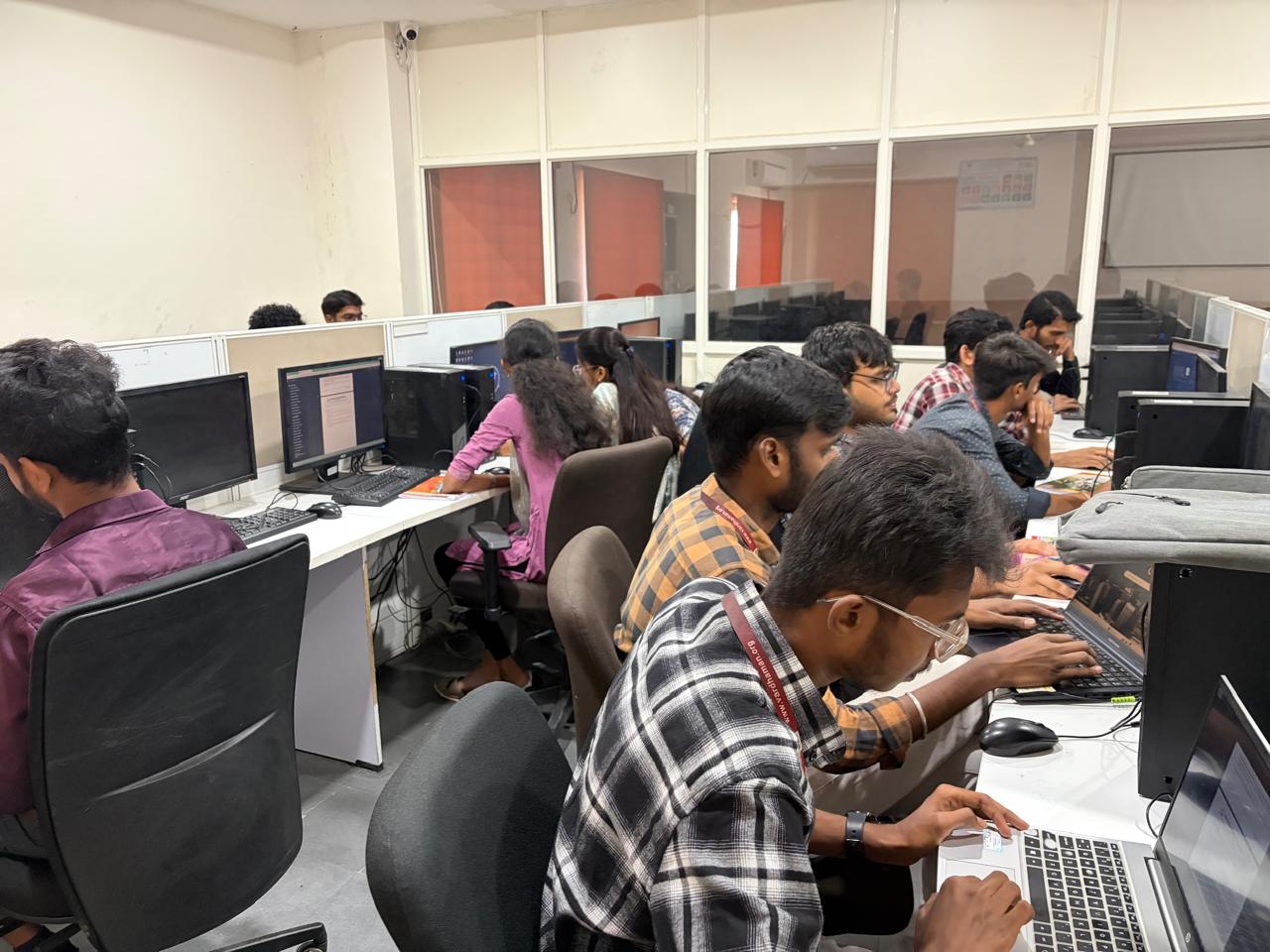
The Department of Computer Science and Engineering (Artificial Intelligence & Machine Learning) follows a structured teaching–learning process that emphasizes student-centered learning, outcome-based education, and practical skill development to prepare students for professional careers and higher studies. The department adopts effective instructional strategies that encourage active participation, conceptual understanding, and continuous academic improvement. The teaching–learning process integrates innovative pedagogical methods, modern computing tools, value-added courses, online learning platforms, and project-based learning to strengthen students’ knowledge and technical skills in areas such as Artificial Intelligence, Machine Learning, Data Science, and intelligent systems. This approach enables students to develop strong analytical, programming, and problem-solving abilities required to address real-world challenges in the rapidly evolving field of computing.
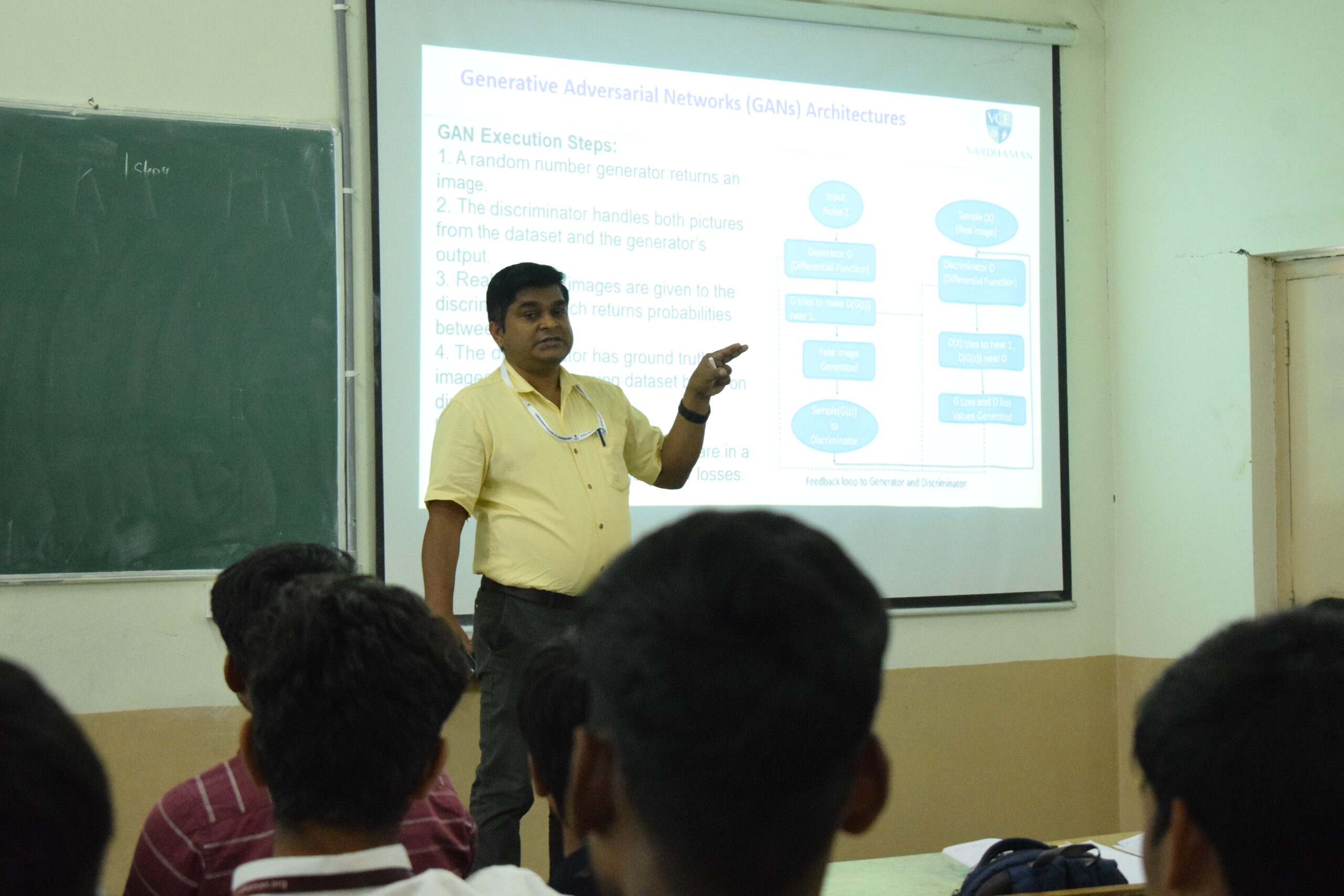
The CSE (Artificial Intelligence & Machine Learning) department adopts innovative teaching methodologies to enhance learning effectiveness and improve student outcomes. Faculty members implement modern pedagogical approaches such as flipped classrooms, experiential learning, hands-on laboratory sessions, coding practices, and project-based learning. Advanced tools and platforms such as Python, Jupyter Notebook, TensorFlow, Google Colab, and AI/ML frameworks are integrated into teaching to strengthen practical understanding. These approaches encourage active student participation, improve conceptual clarity, and connect theoretical knowledge with real-world applications. The use of modern instructional methods helps students develop strong technical skills, creativity, and adaptability to emerging technologies in Artificial Intelligence and Machine Learning.
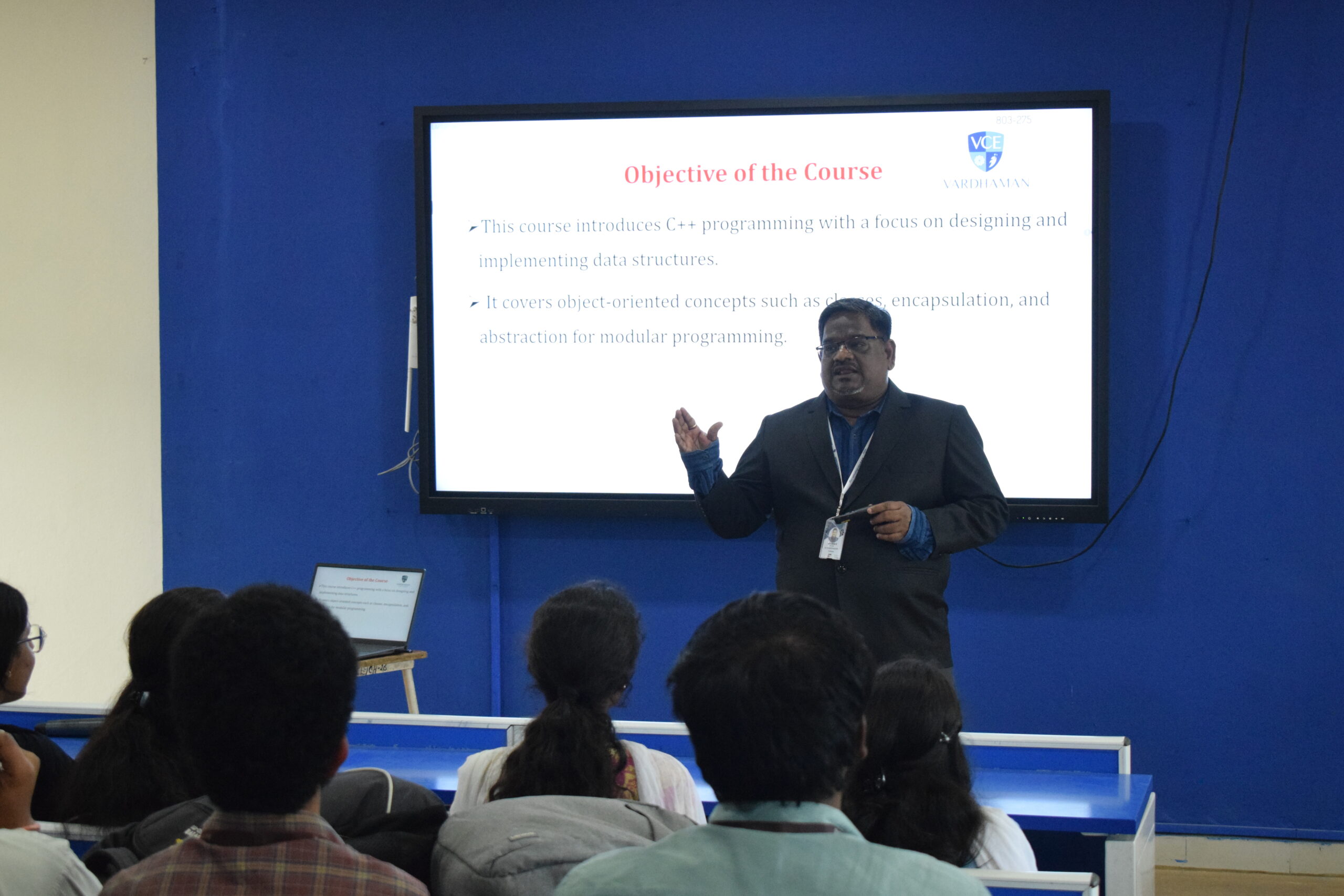
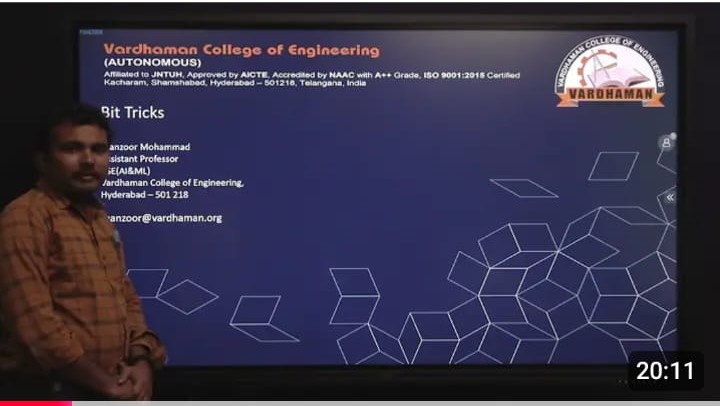
Value added courses in the CSE (AI & ML) department are designed to transcend the traditional curriculum, focusing on the intersection of intelligent algorithms and robust engineering. These courses leverage our advanced computational labs to provide hands-on experience with high-performance computing, neural networks, and automated workflows. By bridging the gap between theoretical mathematical models and real-world deployment, we equip students to solve complex architectural challenges and meet the evolving demands of the global tech industry
The CSE (Artificial Intelligence & Machine Learning) department encourages students to enroll in SWAYAM, NPTEL, and other MOOCs to complement classroom learning and promote self-paced and lifelong learning. These platforms provide access to advanced courses offered by premier institutions and industry experts, enabling students to explore emerging technologies and interdisciplinary domains such as Artificial Intelligence, Machine Learning, Data Science, and Cloud Computing. Students can also earn academic credits through these courses, which enhance their technical knowledge and professional competencies. Such initiatives foster independent learning, technical specialization, and continuous skill development, preparing students to adapt to the rapidly evolving technological landscape.
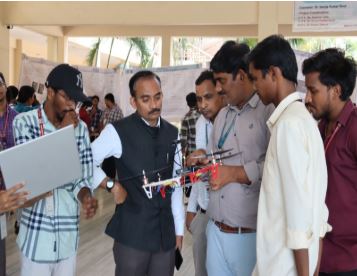
Academic projects are an integral part of the teaching–learning process, providing students with opportunities to apply theoretical knowledge to real-world engineering problems. Students undertake mini projects, major projects, and industry-oriented projects in areas such as communication systems, embedded systems, signal processing, IoT, and electronic system design. These projects promote innovation, creativity, teamwork, and problem-solving abilities. Faculty members and industry experts provide mentorship and guidance throughout the project lifecycle, ensuring effective implementation and practical relevance. Project-based learning enhances students’ technical competence, research skills, and readiness for industry and higher education.
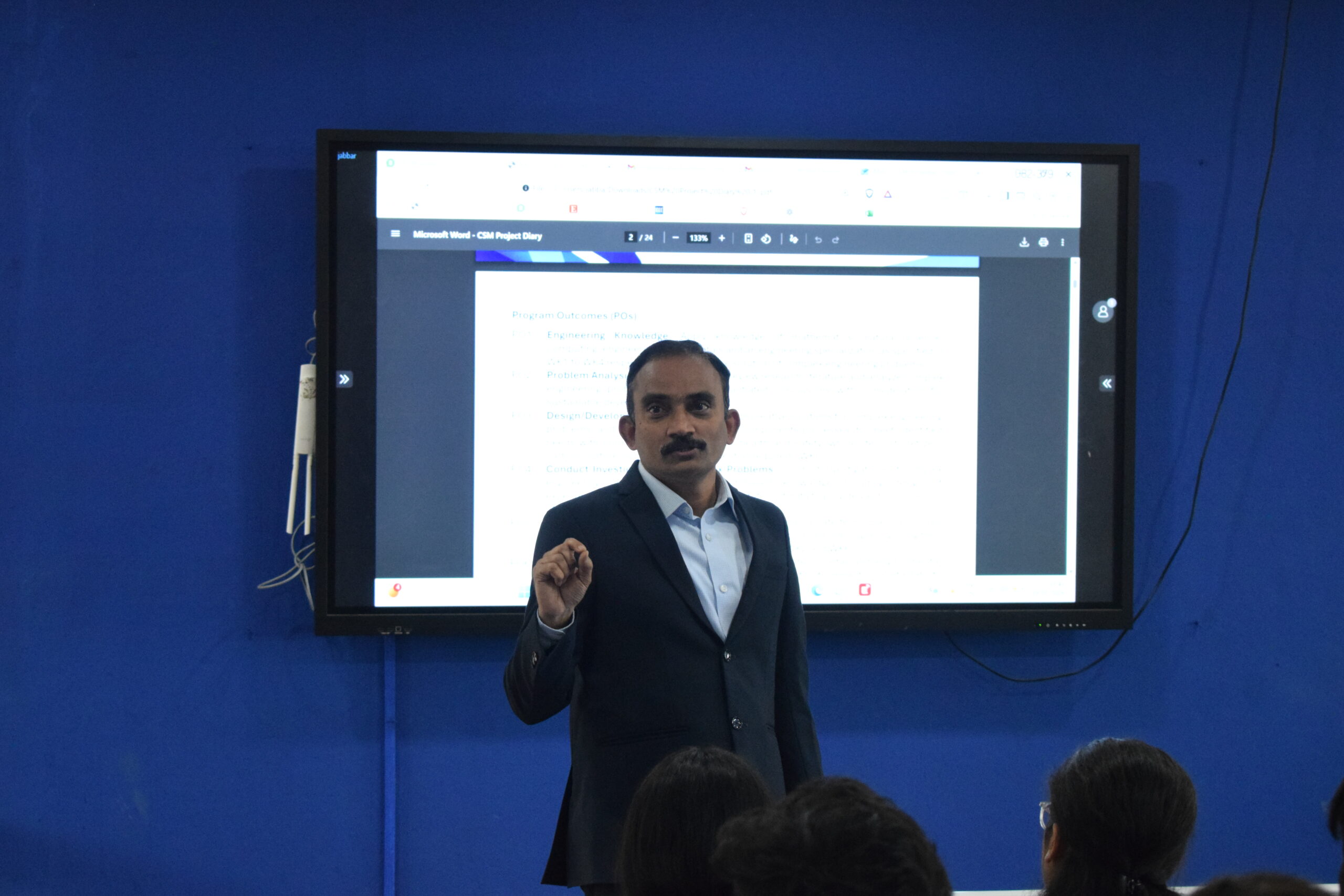
The department implements Outcome-Based Education to ensure that the teaching–learning process is aligned with clearly defined academic and professional outcomes. Programme Educational Objectives (PEOs), Programme Outcomes (POs), Programme Specific Outcomes (PSOs), and Course Outcomes (COs) are systematically defined and mapped to ensure comprehensive competency development. Teaching methodologies, assessment strategies, and evaluation methods are aligned with these outcomes to ensure effective learning and skill development. Course outcome attainment is evaluated using both direct and indirect assessment methods, and the results are analyzed to identify areas for improvement. The structured implementation of OBE ensures continuous curriculum enhancement, quality assurance, and enabling the department to produce competent, innovative, and socially responsible electronics and communication engineers.